
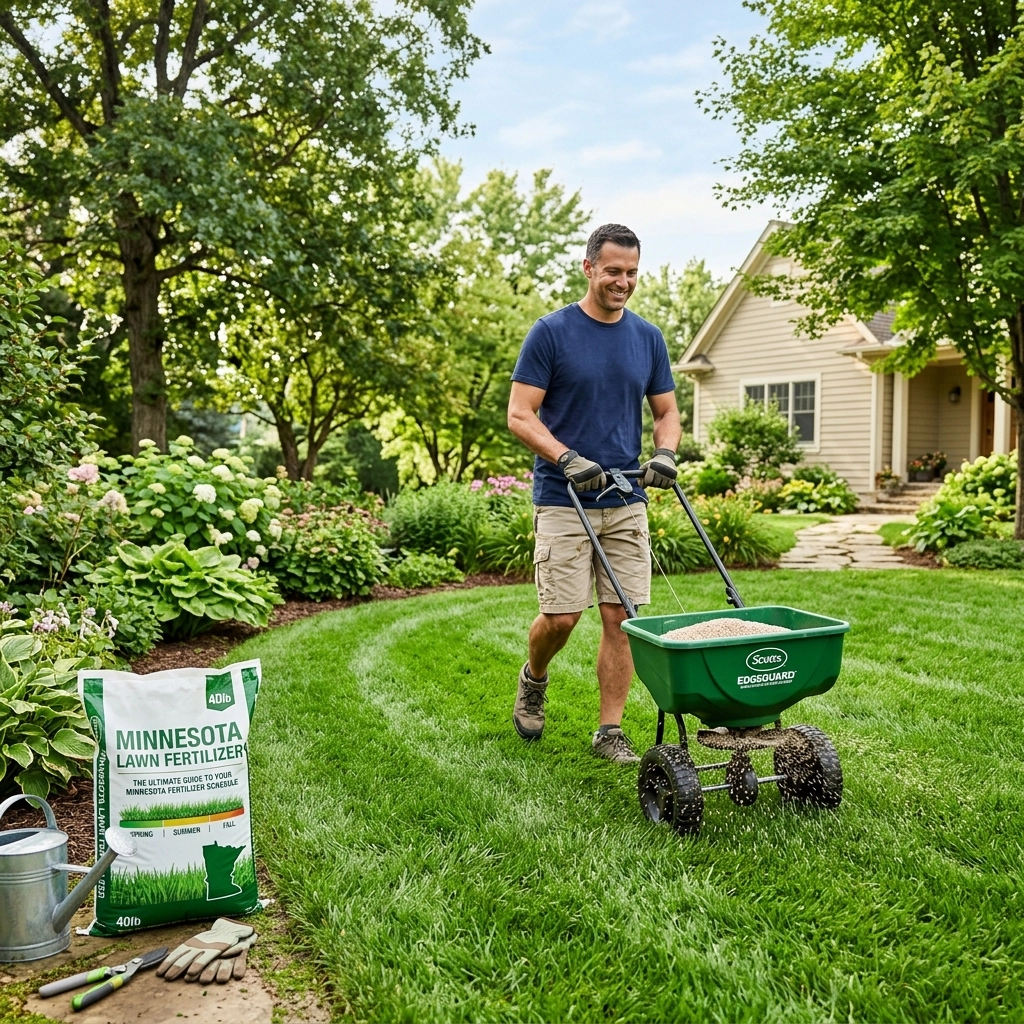
Hey there, neighbor! If you’ve lived in Southern Minnesota for more than a few months, you know that our weather likes to keep us on our toes. One week we’re digging out from a late-season blizzard, and the next, we’re checking the rain gauge to see if the garden is getting enough moisture. Our lawns take a real beating through this cycle, which is why a solid fertilizer plan is your best friend if you want that lush, green carpet that makes the whole block jealous.
At Janesville Hardware, we get asked all the time: "When is the best time to put down fertilizer?" and "What do those numbers on the bag actually mean?" It can feel a bit like a high school chemistry project, but I promise it’s much easier than it looks. We’ve put together this easy-breezy guide to help you navigate the Minnesota seasons so you can spend less time worrying about your grass and more time enjoying your backyard.
Why Your Lawn Needs a Little Extra Love
Before we jump into the dates, let’s talk about why we fertilize at all. Think of fertilizer as vitamins for your grass. While the soil provides some nutrients, the hungry cool-season grasses we grow here: like Kentucky Bluegrass and Fescue: eventually use up those natural resources.
Properly timed feeding ensures your grass has the energy to grow deep roots (which helps it survive those dry July stretches) and stay thick enough to crowd out pesky dandelions and crabgrass. Plus, a healthy lawn acts as a natural air conditioner for your home and filters rainwater before it hits our local Minnesota lakes and streams.

The Minnesota "Zero Phosphorus" Rule
Here is something very important to remember while you’re browsing the aisles at Janesville Hardware: Minnesota has strict laws regarding phosphorus in lawn fertilizer. Because we love our 10,000 lakes, state law prohibits the use of phosphorus-containing fertilizers on established lawns unless you have a soil test proving you need it or you are starting a brand-new lawn from seed.
When you look at a bag of fertilizer, you’ll see three numbers (like 24-0-12). These represent Nitrogen (N), Phosphorus (P), and Potassium (K). For our routine maintenance here in Janesville, that middle number should almost always be zero.
- Nitrogen (The first number): This is for green growth and "up top" energy.
- Phosphorus (The middle number): For root development (usually only needed for new babies/seedlings).
- Potassium (The third number): This is for overall plant health and "toughness" against disease and drought.
Your Easy Holiday-Based Fertilizer Schedule
The easiest way to remember when to feed your lawn is to follow the holidays. In Minnesota, the timing of your applications is actually more important than the brand you choose. Our cool-season grasses have two peak growing spurts: one in the late spring and a much bigger one in the fall.
1. Late Spring: The Memorial Day Application
A lot of folks get excited the first time the sun hits 60 degrees in April and run out to fertilize. Resist the urge! If you fertilize too early in the spring, you’re telling the grass to put all its energy into the blades before the roots have fully woken up. This can actually weaken your lawn before the summer heat hits.
Wait until late May or early June. This gives your grass the nutrients it needs to recover from winter and prepare for the upcoming summer stress. If you’re dealing with weeds, this is also a great time to look for a "weed and feed" style product that handles dandelions while it nourishes the grass. Check out our gardening tags for more tips on managing your outdoor space.
2. Mid-Summer: The July 4th Boost (Optional)
This application is a bit of a "maybe." If you have an irrigation system and you keep your lawn watered and growing all summer, a light feeding around Independence Day can keep that green color popping.
However, if we are in a heatwave or a drought and your lawn has gone dormant (turned brown), do not fertilize. Adding nitrogen to a dormant lawn in 90-degree heat is like trying to force someone to run a marathon while they’re taking a nap. It just stresses the plant out and can cause permanent damage.

3. Late Summer: The Labor Day Application (The Most Important One!)
If you only fertilize once a year, do it now. Early September is the "golden window" for Minnesota lawns. As the nights get cooler and the morning dew gets heavier, your grass is in its prime growing state.
Fertilizing around Labor Day helps the grass recover from summer heat and encourages it to store up carbohydrates in the root system. This is what gives you that deep, dark green look and helps the lawn stay green longer into the autumn.
4. Late Fall: The Thanksgiving "Dormant" Feeding
This is the secret weapon of professional landscapers. We call this a "winterizer" or dormant feeding. You want to apply this once the grass has stopped growing (no more mowing!) but before the ground is frozen solid: usually mid-to-late November.
The grass won't grow "up" during this time, but the roots will soak up those nutrients and store them like a bear getting ready for hibernation. This application is what ensures your lawn is the very first one to turn green next spring, often weeks before your neighbors'.
How to Apply Fertilizer Like a Pro
Now that you know when to do it, let's talk about how to do it. You don't need to be a professional to get professional results.
- Prep the Area: Clean up any sticks, toys, or debris. Give the lawn a fresh mow a day or two before you plan to fertilize.
- Check the Weather: Ideally, you want to apply fertilizer when there is a light rain in the forecast, or plan to water it in yourself. You want the pellets to move off the grass blades and down into the soil.
- The Perimeter First: Walk the edge of your lawn first, creating a "header strip." This gives you a turnaround point so you don't accidentally miss spots or double-up on the edges.
- The Back-and-Forth: Walk in straight lines, slightly overlapping each pass. If you’re worried about stripes, you can apply half the amount walking North-to-South and the other half walking East-to-West.
- Clean Up: This is the most important step for our environment! Use a broom or blower to push any stray fertilizer granules off your sidewalk, driveway, or the street back onto the grass. This prevents the nutrients from washing directly into the storm drains.

When to Ask for Help
Sometimes, despite your best efforts, the lawn just doesn't look right. It might be patchy, yellowing, or overtaken by clover. This is where a soil test comes in handy. You can get a soil testing kit that tells you exactly what your Janesville soil is missing. It might be a pH issue rather than a nutrient issue!
If you’re feeling overwhelmed or if your "to-do" list is getting a little too long, remember that we’re here to help. You can check out our FAQ page for quick answers or stop by the store to chat with us in person. We love seeing pictures of your projects and helping you troubleshoot the tricky spots.
More Than Just Grass
While a beautiful lawn is the finishing touch on a home’s curb appeal, we know there is plenty of other work to be done this season. If you’re looking to upgrade more than just your grass, you might be interested in our guide on choosing kitchen cabinets or learning how to start seeds indoors to get a jump start on your vegetable garden.

You’ve Got This!
Taking care of a Minnesota lawn doesn't have to be a chore. By sticking to a simple holiday schedule and choosing the right nitrogen-rich, phosphorus-free blends, you’re setting yourself up for success. There’s nothing quite like the feeling of stepping out onto a thick, soft lawn on a Saturday morning with a cup of coffee in hand.
If you have questions about which spreader to use or which specific nutrient blend is best for your specific soil type, come see us at Janesville Hardware. We’re your neighbors, and we’re here to make sure your home: inside and out: is exactly how you want it to be.
Happy gardening, Janesville! Let’s make this the greenest summer yet.