
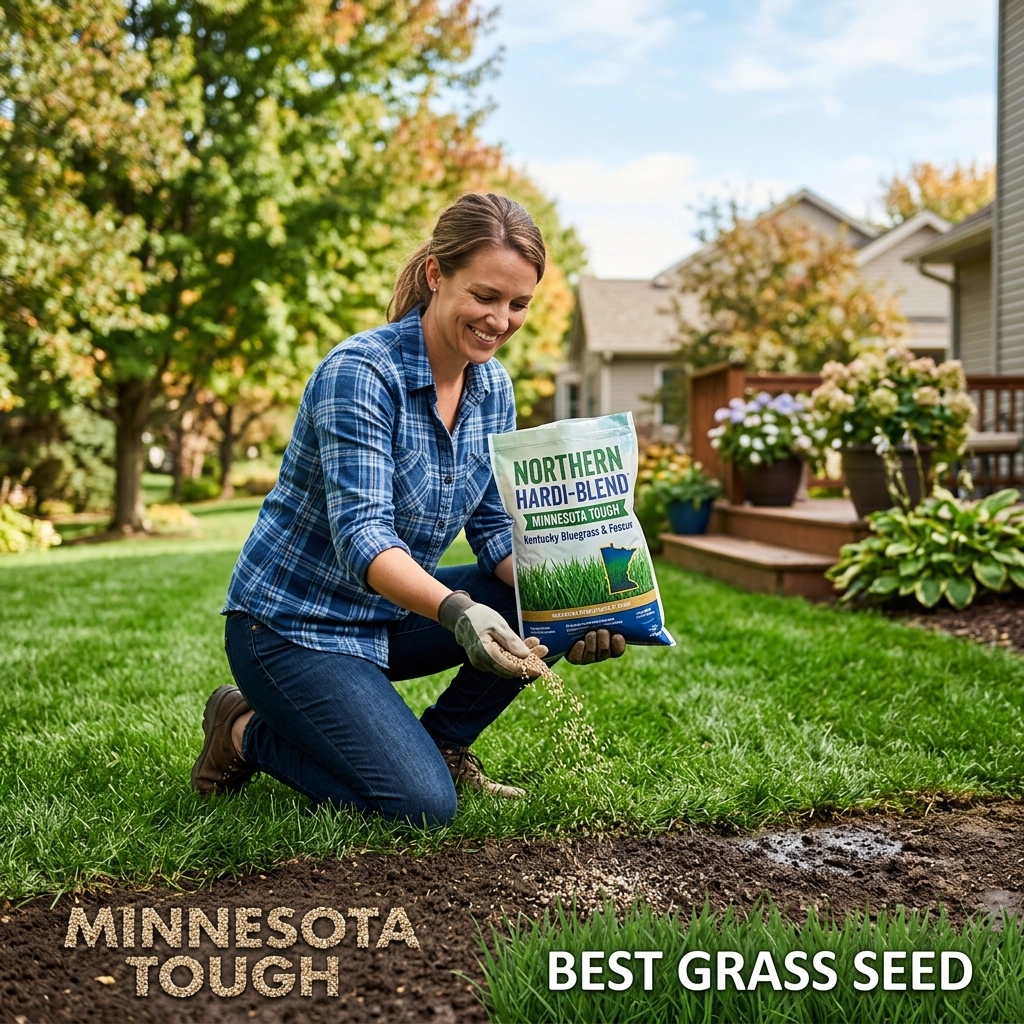
Grow a Lush Green Lawn That Actually Lasts
Spring has officially arrived here in Janesville, and if you’re like most of our neighbors, you’re probably looking out at your yard and wondering if that brown patch is ever going to turn green. We get it, Minnesota is a beautiful place to live, but our climate is notoriously “tough love” when it comes to lawns. Between the sub-zero winters that feel like they’ll never end and the humid, scorching summers, our grass has to be some of the hardiest in the country.
Choosing the right grass seed isn’t just about picking a bag with a pretty picture of a house on it. It’s about understanding what thrives in Southern Minnesota and matching that to your specific slice of earth. Whether you have a yard that’s a total sun-trap or a backyard covered in the deep shade of mature oak trees, we’re going to help you find the perfect match so you can spend your summer enjoying your lawn instead of fighting it.
Why Minnesota Lawns Are Different
Before we dive into the specific seeds, we have to talk about why “any old seed” won’t work around here. Minnesota is strictly “Cool-Season Grass” territory. While homeowners down south might plant Bermuda or St. Augustine, those varieties wouldn’t stand a chance against a Janesville January.
Our grass needs to be able to go dormant during the deep freeze and wake up ready to grow the moment the snow melts. We also need varieties that can handle the “see-saw” weather of spring, one day it’s 65 and sunny, and the next we’re getting a dusting of late-season frost.

Meet the “Big Three” of Minnesota Grass
When you walk into Janesville Hardware and look at our seed selection, you’ll notice a few names popping up over and over. These are the tried-and-true winners for our region. Most high-quality bags are actually a “mix” of these, designed to give you the best of all worlds.
1. Kentucky Bluegrass: The Gold Standard
If you’re dreaming of that classic, deep-green, “barefoot soft” lawn, you’re looking for Kentucky Bluegrass. It is the most popular choice in Minnesota for a reason.
- The Pros: It is incredibly cold-hardy and has a beautiful, fine texture. One of its best tricks is that it spreads via “rhizomes” (underground stems), which means it can actually fill in small bare spots on its own.
- The Cons: It’s a bit of a diva when it comes to sunlight and water. It needs full sun to really thrive and doesn’t handle extreme drought quite as well as some others.
2. Fine Fescue: The Shade Hero
Do you have a lot of trees? If so, Fine Fescue is your best friend. This category includes varieties like Creeping Red Fescue and Chewings Fescue.
- The Pros: This is the most shade-tolerant grass we have. It also has very low fertilizer needs and can handle the poorer soil quality we sometimes find in older parts of town.
- The Cons: It doesn’t love heavy foot traffic. If you have three dogs and a soccer-obsessed kid, you’ll want to mix this with something tougher.
3. Perennial Ryegrass: The Fast Starter
If you need green now, you need Ryegrass.
- The Pros: It germinates faster than almost any other seed. While Kentucky Bluegrass can take up to three weeks to even sprout, Ryegrass can be up and running in 5 to 7 days. It’s also very resistant to being stepped on.
- The Cons: It’s not quite as cold-hardy as Bluegrass. In a particularly brutal Minnesota winter, a lawn that is 100% Ryegrass might struggle to come back. That’s why we almost always recommend it as part of a blend.

The Secret to Success: Quality vs. “Big Box” Bargains
I’m going to let you in on a little secret that the giant national retailers don’t want you to know: not all grass seed is created equal. It can be tempting to grab the massive, cheapest bag you find at a big-box store, but that often leads to more work (and more money) down the road.
When you look at a bag of seed, look at the label for three things:
- Weed Seed Percentage: Cheap bags often contain a small percentage of “weed seeds” or “other crop.” It might sound like a tiny amount, but you are literally paying to plant weeds in your yard! Our premium seeds focus on 0.0% weed content.
- Inert Matter: This is basically “stuff that isn’t seed.” Cheap bags use a lot of filler or heavy coatings that make the bag feel heavy but don’t actually grow grass.
- Germination Rate: High-quality seed has a higher “lab-tested” germination rate, meaning more of the seeds you throw down will actually turn into grass.
At Janesville Hardware, we focus on carrying seed that is specifically screened for our climate. We want you to plant it once and see it grow, rather than spending all summer color matching patches of dead grass.
Assessing Your Yard: The 3-Question Test
Before you buy, take a walk around your yard and answer these three questions:
How much sun does it get?
If your yard gets 6+ hours of direct sun, go heavy on the Kentucky Bluegrass. If you’re under a canopy of trees for most of the day, you need a “Shade Mix” dominated by Fine Fescues.
Who is using the lawn?
Is your lawn a “showpiece” that nobody walks on, or is it the neighborhood’s unofficial wiffle ball field? High-traffic areas need the durability of Tall Fescue or Perennial Ryegrass.
How much do you want to mow?
Some grasses grow faster than others. If you want a lower-maintenance yard, certain Fescue blends stay shorter and require less frequent “haircuts.”

5 Easy Steps to Planting for Success
Once you’ve picked your seed, the way you plant it makes all the difference. Follow this easy-breezy checklist to ensure your new lawn takes hold:
- Prep the Soil: Don’t just throw seed on top of hard, packed dirt. Rake the area to loosen the top quarter-inch of soil. If your soil feels like bricks, stop by and talk to us about a soil test or some topsoil to help give the seeds a soft place to land.
- Spread Evenly: Use a spreader for larger areas. If you’re just patching a small spot, you can do it by hand, but try to keep the coverage consistent.
- Rake it In: Very lightly rake the area again. You want the seed to be in the soil, not buried deep under it. Seed needs a little bit of light to wake up!
- Water, Water, Water: This is where most people fail. You need to keep the soil moist (but not a swamp) until the grass is about two inches tall. In the beginning, this might mean a light watering twice a day.
- Be Patient: Remember, Kentucky Bluegrass is a slow starter. Don’t give up on it if you don’t see green in the first week!

When is the Best Time to Plant in Janesville?
In Southern Minnesota, you have two “goldilocks” windows for seeding.
The Spring Window (Right Now!): From late April through May is a great time. The ground is moist, and the temperatures are usually in that 55-75 degree sweet spot that cool-season grasses love. Just be prepared to water more if we get an early June heatwave. If you’re also planning your garden, check out our guide to starting seeds indoors to get a jump on the season.
The Fall Window: Late August through mid-September is actually many professionals’ favorite time. The soil is warm, but the air is cooling down, and there is less competition from weeds.
We’re Here to Help!
We know that every yard in Janesville is a little bit different. What works for your neighbor over on Main Street might be different than what works for a new build on the edge of town.
If you’re feeling overwhelmed by the options, come see us at Janesville Hardware. Bring a photo of your yard or even a small soil sample. We love talking shop and helping you find exactly what you need to make your lawn the envy of the block. You can also check our FAQ page for more local tips or contact us directly with your questions.
Let’s get that grass growing! Once you’ve got the right seed down, check out our Minnesota fertilizer schedule to keep it growing all season.
